Losing a tooth, whether from decay, injury, or gum disease, affects far more than your appearance. It changes how you chew, how you speak, and over time, how your jawbone behaves. Dental implants are the closest thing modern dentistry has to a natural tooth, and at Gurukrupa Dental, they are one of our most requested treatments.
This guide covers everything you need to know: what implants are, who is a candidate, the different types of implant systems, how the procedure works, and what to expect during recovery. If you would rather see the treatment itself, our implant dentistry service page has the short version.
What Exactly Is a Dental Implant?
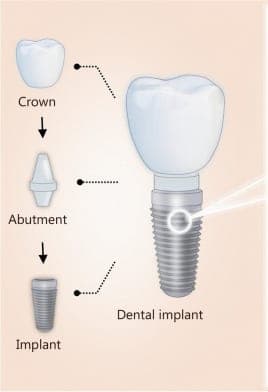
A dental implant is a small titanium post, roughly the size and shape of a tooth root, that is surgically placed into your jawbone. Titanium is used because it is biofriendly: the bone actually grows around and fuses to it in a process called osseointegration. Once this bond forms, the implant becomes a permanent anchor onto which a custom-made crown, bridge, or denture is attached.
The result is a tooth replacement that looks, feels, and functions like the real thing, because it is anchored the same way a natural tooth is.
Am I a Candidate for Dental Implants?
Most healthy adults with one or more missing teeth are candidates for implants. The key requirements are:
- Adequate bone density - the jawbone must be thick enough to hold the implant. If bone has been lost, a bone graft procedure can often rebuild it first.
- Healthy gums - active gum disease must be treated before implant placement.
- Good general health - uncontrolled diabetes or certain medications can affect healing. A thorough medical history review is always done before we proceed.
- Non-smoker or willing to quit during healing - smoking significantly reduces implant success rates, which the US FDA also flags in its patient guidance.
Children are generally not candidates because the jawbone is still growing. Most people over 18 are eligible, and there is no upper age limit. We have successfully placed implants in patients in their 70s.
Types of Dental Implants
Not all implant cases are the same, and the type of implant recommended depends on your bone volume, the number of missing teeth, and your overall oral health.
1. Endosteal Implants (most common)
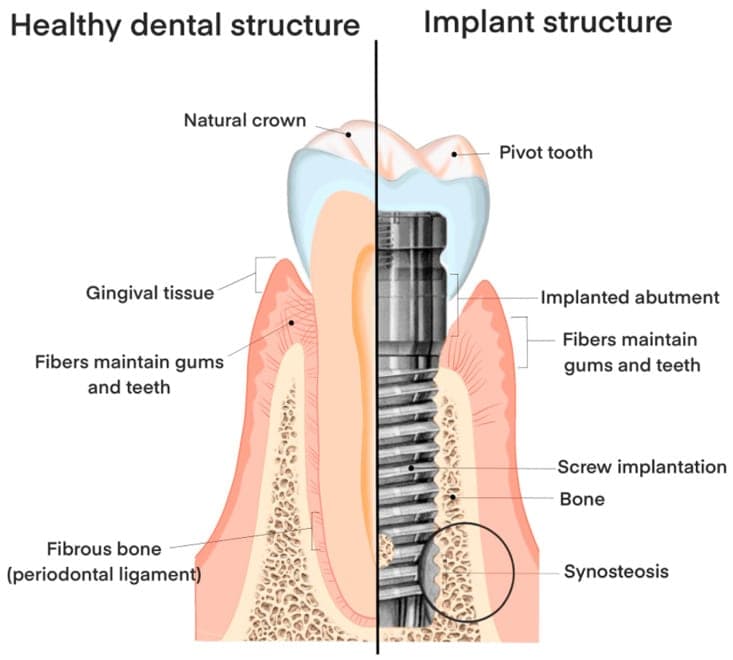
These are placed directly into the jawbone. They are the standard implant type for patients with sufficient bone height and width. They come in various shapes, including cylindrical, screw-shaped and blade-type, though screw-shaped endosteal implants are by far the most common today due to superior osseointegration.
Best for: Single missing tooth, multiple missing teeth, implant-supported bridges, or full-arch restorations (All-on-4, All-on-6).
2. Subperiosteal Implants
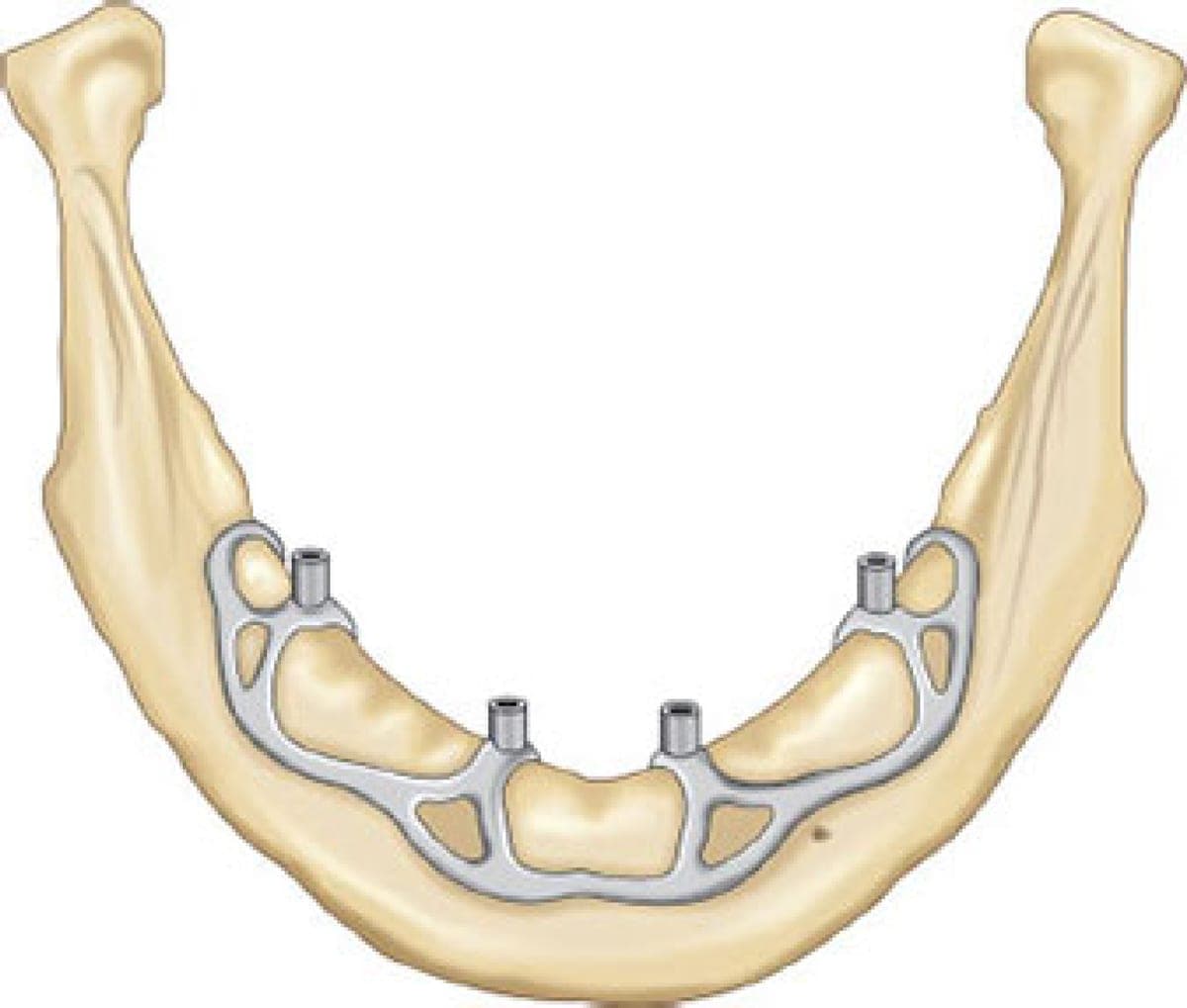
Rather than being placed inside the bone, these implants sit on top of the jawbone, just below the gum tissue. They are rarely used today, reserved for patients who do not have sufficient bone height for endosteal implants and cannot or do not wish to undergo bone grafting.
Best for: Patients with significant bone loss who are not bone graft candidates.
3. Zygomatic Implants
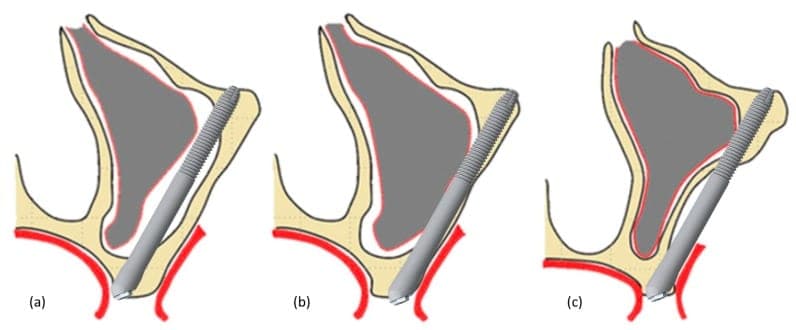
These are much longer implants anchored in the cheekbone (zygoma) rather than the upper jawbone. They are used exclusively in the upper jaw when severe bone loss makes standard implants impossible. This is a highly specialised procedure performed in select cases.
Best for: Severe upper jaw bone loss where standard implants and bone grafting are not viable.
4. Mini Implants
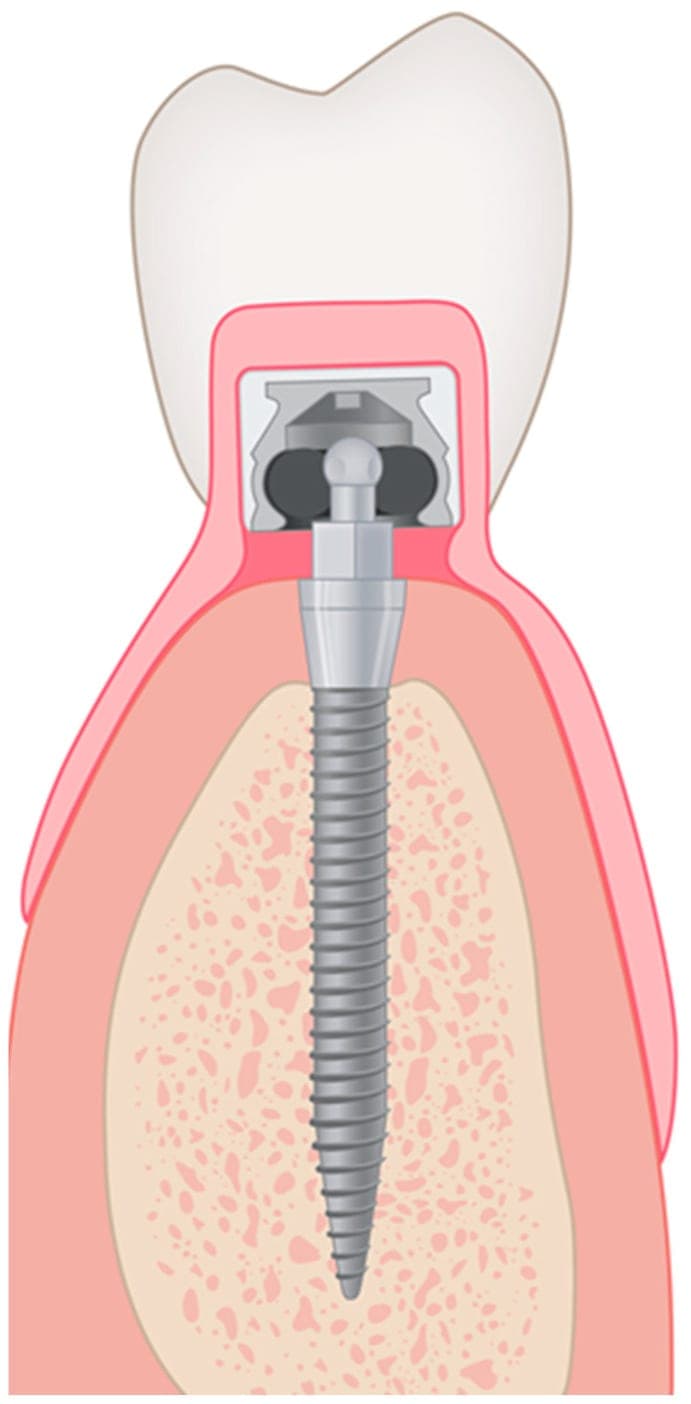
Mini implants are significantly narrower than standard implants, typically less than 3mm in diameter. They are used to stabilise lower dentures and in areas where the bone is too narrow for a standard implant. The procedure is less invasive and healing is faster.
Best for: Denture stabilisation, narrow bone ridges.
5. Immediate Load Implants (Same-Day Implants)
In selected cases, a temporary crown can be attached on the same day as implant placement, before osseointegration is complete. This requires very precise assessment of bone quality and implant stability. Not every patient is suitable, but when it is indicated, it dramatically reduces treatment time.
Best for: Patients with excellent bone quality and stability who want faster results.
The Implant Systems We Use at Gurukrupa Dental
Choosing the right implant brand matters as much as the surgical technique. At Gurukrupa Dental, we work with four of the world's most trusted implant systems, each selected for a specific reason.
Nobel Biocare
Sweden, founded 1952
The company that invented the modern dental implant. Nobel Biocare's research spans 70+ years and their implants have one of the highest documented long-term success rates in dentistry. Their NobelReplace and NobelActive systems are benchmarks against which other implants are measured.
Ideal for: Complex cases, immediate loading, full-arch restorations.
Straumann
Switzerland, founded 1954
Straumann is widely regarded as the gold standard in implantology. Their unique SLActive® surface technology accelerates osseointegration, reducing healing time and improving success in compromised bone. Straumann implants are backed by more than 70 clinical studies.
Ideal for: Patients requiring faster healing, bone-compromised cases, premium aesthetic outcomes.
Osstem
South Korea - #1 in Asia-Pacific
Osstem is the largest implant company in Asia and the 4th largest globally. Their TSIII and US systems offer exceptional primary stability, critical for immediate loading protocols, and are manufactured to the same ISO standards as European brands, at a more accessible price point.
Ideal for: Patients seeking reliable, well-researched implants with cost-effectiveness.
Adin Dental Implant Systems
Israel, present in 60+ countries
Adin implants are distinguished by their aggressive thread design, which achieves strong primary stability even in softer bone. They are manufactured in Israel under stringent quality controls and are a trusted choice for straightforward to moderately complex cases.
Ideal for: Single implants, straightforward replacements, patients with softer bone density.
At your consultation, Dr. Isawe will recommend the implant system best suited to your bone quality, the position of the missing tooth, and the restoration planned. There is no one-size-fits-all answer. The right implant is the one chosen for your specific anatomy.
Implant vs. Conventional Bridge: The Key Difference
When you lose a single tooth, both an implant and a fixed bridge can replace it. Bridges and crowns are covered under our prosthodontics service. Here is why implants are usually the better long-term choice:
The Implant Procedure: Step by Step
Knowing what to expect removes most of the anxiety. Here is exactly what happens:
Consultation & Assessment
An OPG (panoramic) X-ray or 3D CBCT scan is taken to measure your bone volume precisely. Your medical history is reviewed. Dr. Isawe discusses your options and recommends the best implant system and treatment plan for your case.
Implant Placement
Under local anaesthesia (you are awake but feel no pain), a small incision is made in the gum and the titanium implant post is placed into the jawbone. The procedure typically takes 45–90 minutes per implant. Most patients are surprised by how comfortable it is.
Healing (Osseointegration)
Over the next 8–12 weeks, the bone grows around and bonds to the titanium surface. During this period, a temporary restoration may be placed so you are never without a tooth. This is the most important phase, the foundation of your implant's long-term success.
Abutment Placement
Once osseointegration is confirmed, a small connector piece called an abutment is attached to the implant. This is the interface between the implant and your final crown.
Crown / Prosthesis Fitting
An impression of your mouth is taken and your custom crown is fabricated, matched precisely to the colour and shape of your surrounding teeth. It is then secured onto the abutment. Your new tooth is complete.
What you do not need to worry about
Implants sound more alarming than they are. These are the concerns patients raise most often, and they are genuinely not the ones worth losing sleep over:
- Your healthy teeth are left alone. This is the main advantage over a bridge, which requires grinding down the two teeth on either side of the gap. An implant stands on its own.
- You will not feel the surgery. You are awake under local anaesthesia, but the area is fully numbed. Most patients tell us afterwards that it was easier than they expected.
- The implant itself cannot decay. Titanium does not get cavities. What needs looking after is the gum and bone around it.
- Titanium allergy is very rare. It is one of the most biocompatible materials in medicine, which is why it is also used in joint replacements.
- It will not set off airport security. Dental implants are far too small to trigger metal detectors.
- You will not be left without a tooth. A temporary restoration is usually fitted during the healing months, so there is no visible gap while you wait.
What is worth being careful about
- Smoking is the single biggest risk factor for failure. It restricts blood supply and impairs the bone bonding that the whole implant depends on. If you cannot stop permanently, stopping through the healing period matters most.
- Implants can still develop gum disease around them. It is called peri-implantitis, and it is the most common reason a well-placed implant is eventually lost. It is preventable with daily cleaning and check-ups.
- Be cautious with unusually cheap quotes. Ask which implant system is being used and whether the brand is named. An unbranded implant can be difficult or impossible to service years later if a component needs replacing.
- Uncontrolled diabetes and certain medications affect healing. This is not necessarily a barrier, but it must be known in advance, so share your full medical history including supplements.
- Bone loss continues while you wait. The longer a gap is left, the more likely grafting becomes. If you are considering an implant, an assessment sooner keeps more options open.
Aftercare: Making Your Implant Last a Lifetime
Implants do not decay, but the gum and bone around them can be affected by poor hygiene. The long-term success of your implant depends almost entirely on how well you care for it, a point the American Dental Association makes as well.
- Brush twice daily - an electric toothbrush is ideal around implants.
- Floss daily - use implant-specific floss or an interdental brush to clean around the base of the crown.
- Avoid hard foods in the first few weeks post-surgery: ice, hard candy and nuts.
- No smoking - smoking is the single biggest risk factor for implant failure.
- Regular dental visits - 6-monthly check-ups allow us to monitor the implant, gum health, and bite.
With proper care, a well-placed implant using a premium system will last the rest of your life. The crown itself typically lasts 15–20 years before needing replacement.
What Does It Cost in Mumbai?
Implant cost in India depends on several factors: the implant brand, number of implants needed, whether bone grafting is required, and the type of final prosthesis (single crown, bridge, or full-arch denture).
At Gurukrupa Dental, we offer implants across a range of systems, from Osstem (excellent value) to Nobel Biocare and Straumann (premium) - so there is an option for most budgets without compromising on quality. We provide a detailed written treatment plan with costs before any procedure begins. You can see real patient results in our smile gallery.
For international patients and NRIs, treatment costs in India are typically 50–70% lower than equivalent procedures in the UK, USA, or Australia, with no compromise on implant brand or technology.
Common questions
How long does the whole implant process take?
Usually three to five months from placement to final crown, because the bone needs 8 to 12 weeks to bond to the implant. Immediate-load cases are faster but only suit some patients.
Is an implant painful?
Placement is done under local anaesthesia, so you are awake but should not feel pain during the procedure. Most patients describe the days afterwards as mild soreness managed with ordinary painkillers.
What if I do not have enough bone?
Bone grafting can often rebuild the site first, which adds a few months. Where grafting is not viable, zygomatic or mini implants may be options. This is decided from a CBCT scan, not from an examination alone.
How long do implants last?
A well-placed implant using a premium system can last decades, and often the rest of your life, provided the surrounding gum and bone stay healthy. The crown on top typically needs replacing at 15 to 20 years.
Can I get an implant if I smoke?
It is possible but success rates are measurably lower, because smoking impairs healing and bone integration. We ask patients to stop at least through the healing period.
Do you see patients from outside Malad West?
Yes. The clinic is on Marve Road at Mith Chowky and regularly treats patients from Malad East, Kandivali, Goregaon and across Mumbai, along with NRI patients planning treatment around a trip to India.
Sources
- Dental Implants - American Dental Association
- Dental Implants: What You Should Know - US Food and Drug Administration
- Osseointegration and dental implant survival - National Library of Medicine
Ready to Replace Your Missing Tooth?
A consultation at Gurukrupa Dental includes a full examination, OPG X-ray assessment, and a personalised treatment plan, with no commitment required. Dr. Isawe has placed hundreds of implants over his 44-year career and will guide you through every option. We are on Marve Road at Mith Chowky, Malad West, within easy reach of Malad East, Kandivali and Goregaon.